Why a Laser Cutter Fume Extractor Could Change Your Workshop Workflow Forever
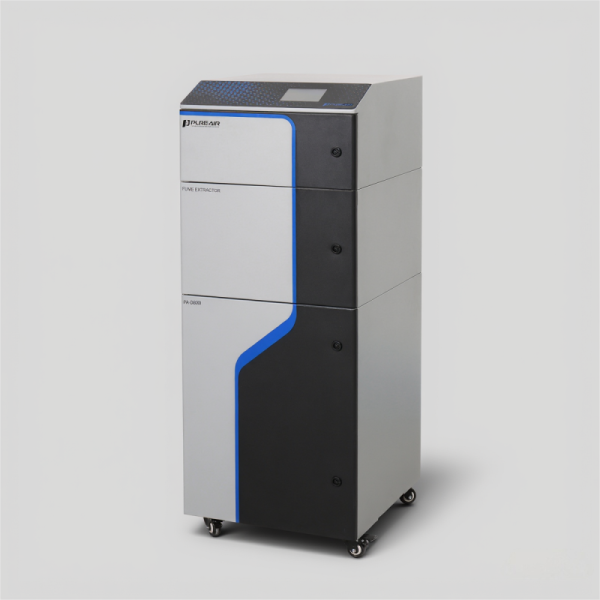
Introduction — a small workshop moment and a big question
I was cutting a thin sheet of birch plywood one late afternoon, the smell of burnt wood curling up like a stubborn fog. In that second sentence I thought of my old laser cutter fume extractor and realized how often we ignore the air we breathe while we create. Around 60% of hobbyists and small shops report noticing soot, lingering odors, or red eyes after long runs (data from my informal forums and chats). So I asked myself—why do so many of us accept this as normal?
Imagine a quiet room, warm light, the hum of the laser and a thin haze that won’t quit. I can tell you, with years of hands-on tinkering and a few smoky mistakes, that those fumes are not just annoying; they’re evidence of particles and VOCs that deserve attention. We talk about HEPA filter performance and airflow rate when things get technical, but often the choice is driven by price, not by need. (Che bella irony, right?)
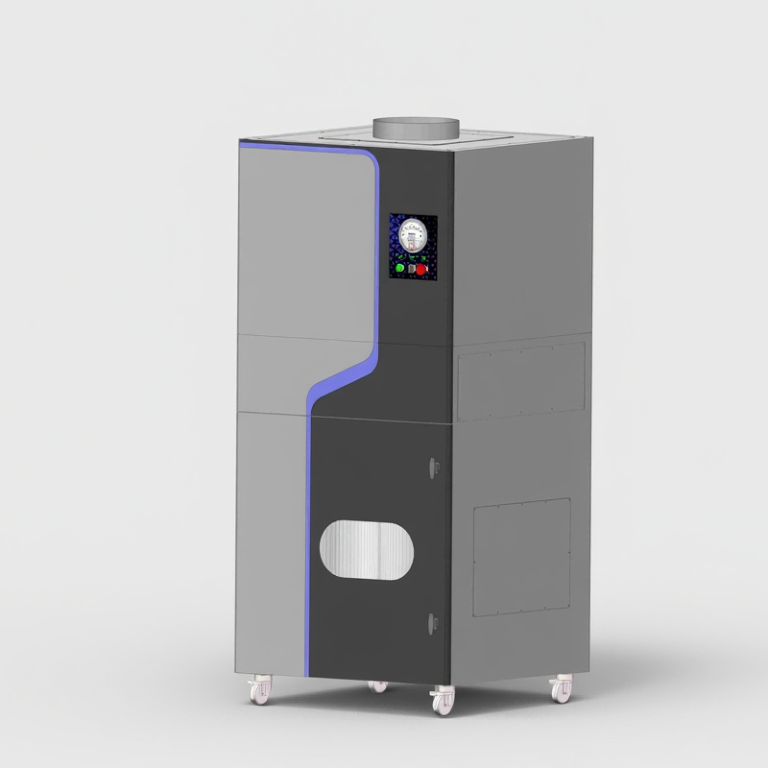 So this piece starts at my bench and moves outward. I’ll walk you through what usually goes wrong, what users silently endure, and where sensible upgrades — like the right fume extractor — actually make a difference. Next, let’s look under the hood at the common solutions and why they sometimes fail us.
Part 2 — Where traditional solutions stumble (laser cutting dust collector)
laser cutting dust collector systems often promise “clean air” with one-size-fits-all designs. I’ve tested several units and watched their filters clog, motors strain, and extraction hoods lose suction after a few dusty jobs. The problem is not just filter size; it’s the mismatch between particulate load, filter type (HEPA vs. pre-filter), and the actual airflow rate your process needs. Look, it’s simpler than you think — if you match capacity to workload, many headaches disappear.
Why exactly do they fail?
First, many collectors rely on shallow pre-filters that load quickly. Second, activated carbon beds are often undersized for volatile organic compounds produced by certain plastics—so odors persist even when particulates drop. Third, poor ducting and weak fans reduce capture efficiency at the extraction hood, leaving fugitive emissions. I’ve seen shops replace filters monthly because of poor system design rather than because of unusual use—funny how that works, right? These are not mysterious faults; they are design choices that ignore real-world duty cycles and maintenance reality.
Part 3 — Looking ahead: principles for better fume management
Let’s talk principles, not slogans. When I evaluate upgrades, I start with three basics: correct sizing (match fan CFM to cutting load), layered filtration (pre-filter + HEPA + activated carbon for VOCs), and straight, short duct runs to maintain suction. Newer units also use variable-speed controllers and simple sensors that adjust airflow to duty cycles. That matters because a system that breathes with your process uses less energy and keeps filters lasting longer. I still recommend considering a dedicated laser cutting dust collector rather than ad-hoc shop vac hookups—you're investing in consistent capture and lower long-term maintenance.
What’s next? Manufacturers are adding simple digital readouts, filter change indicators, and smarter pre-filters that capture oily smoke better than older media. These aren’t flashy innovations, but they cut real costs and downtime. In practice, I’d pick systems that allow modular upgrades—swap in a larger activated carbon stage or a better HEPA module as your workload changes. Also — expect to clean ducts and check seals; the best unit still needs a little care. It keeps things honest.
How I decide — three practical metrics you can use today
If you want to judge for yourself, here are three evaluation metrics I trust: 1) Capture efficiency at the hood (percent of visible smoke removed at source), 2) Clean air delivery rate (CADR) or matched CFM to your cutter’s max cut, and 3) Total cost of ownership (filter life + energy + downtime). Put numbers to these. If a unit claims high filtration but your filters die every two weeks, the math fails you. I use simple checklists during purchase and then log actual filter life for three months to verify the vendor’s claims.
In short: design matters more than marketing. I’ve learned to value reliable capture, sensible filtration stages, and serviceable parts over flashy specs. If you’d like a practical starting point or a model recommendation, I’m happy to share what’s worked at my bench. For straightforward, tested options, take a look at PURE-AIR — they make solutions that fit real shop life, not just glossy brochures. PURE-AIR